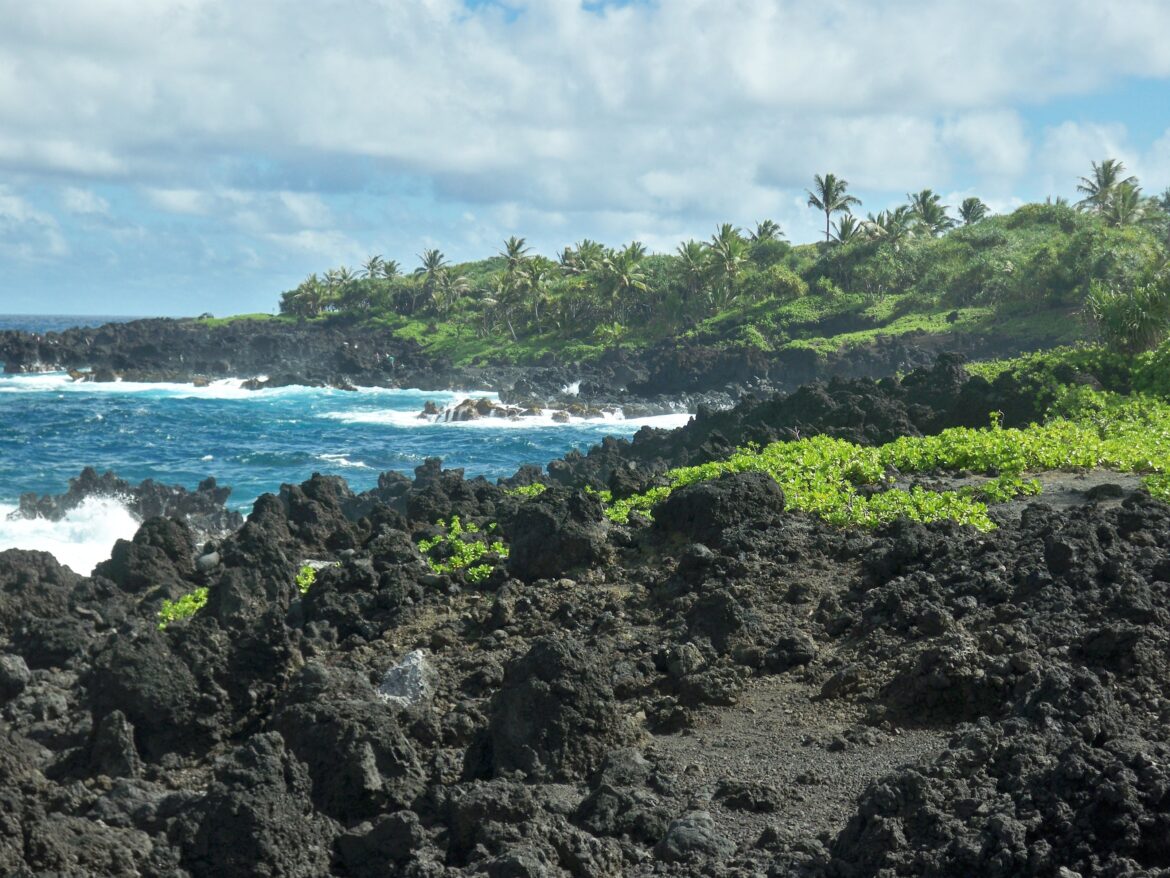
Students and researchers frequently examine the Hawaiian island maui to understand complex natural and cultural histories. This specific destination offers incredible opportunities for anyone eager to learn about Pacific geography. You will discover unique ecosystems and ancient traditions preserved across the entire landmass.
Geological Formation And History
Massive geological forces deep beneath the Pacific Ocean built this remarkable destination. Two separate shield volcanoes erupted millions of years ago to form the initial foundation. The older volcano created the western mountains, while the younger Haleakala formed the eastern side.
Relentless lava flows eventually connected these two separate peaks. This volcanic bridge created a wide, fertile area in the middle of the landmass. Locals call this region the central valley today.
The Power Of Erosion
Wind and water constantly shape the physical structure of the island. Heavy rains carve deep valleys into the steep mountain sides over millions of years. You can observe dramatic examples of this erosion at the Iao Valley State Monument.
Seismic Activity Today
The main volcanoes remain relatively quiet compared to their active neighbors further south. However, geologists still classify Haleakala as an active volcano that will eventually erupt again. Scientists monitor minor earthquakes daily to track magma movement deep underground.
Indigenous Culture And Heritage
Early Polynesian navigators discovered these shores using only the stars and ocean currents. They brought essential plants and animals to establish permanent settlements. These early inhabitants developed a highly complex society based on resource management.
The Ahupuaa System
Native Hawaiians divided the land into specific wedge-shaped sections called ahupuaa. These divisions ran from the highest mountain peaks directly down into the coastal waters. This genius system ensured every community had access to both forest resources and fresh seafood.
Traditional Taro Farming
Farmers cultivated the sacred taro plant in flooded agricultural terraces. They engineered complex irrigation systems to divert fresh stream water into their fields. You can still find families practicing these traditional farming methods in remote coastal villages.
Diverse Ecological Zones
The extreme changes in elevation create a massive variety of distinct climate zones. You can drive from a sunny tropical beach to a freezing alpine desert in less than two hours. Each specific zone supports a completely different community of plants and animals.
Coastal Marine Sanctuaries
The shallow channels surrounding the coast provide crucial habitats for marine life. Coral reefs act as massive underwater cities supporting thousands of fish species. Environmental agencies heavily protect these waters to prevent overfishing and chemical pollution.
Tropical Rainforest Ecosystems
The eastern slopes block massive weather systems moving across the ocean. These clouds drop hundreds of inches of rain annually on the dense forests below. You will find incredible biodiversity hidden beneath the thick green canopy.
- Rare orchids bloom entirely in the shade of giant tree ferns.
- Endemic honeycreeper birds feed on specialized native flowers.
- Carnivorous caterpillars hunt insects along the wet branches.
Native Wildlife And Conservation
Isolation allowed unique species to evolve here without any natural land predators. The introduction of foreign animals by modern ships severely disrupted this fragile balance. Conservationists now work endlessly to protect the remaining native populations from extinction.
The Hawaiian Monk Seal
The critically endangered Hawaiian monk seal occasionally rests on quiet sandy beaches. These massive mammals hunt for fish and octopus in the surrounding coral reefs. Volunteers set up protective perimeters whenever a seal decides to come ashore.
The Nene Goose
The Nene represents the official state bird and a major conservation success story. Scientists bred these native geese in captivity when their numbers dropped to dangerous levels. You can spot them foraging for berries in the high-altitude volcanic shrublands.
Agricultural Era And Evolution
Commercial agriculture drastically changed the physical and cultural makeup of the region. Wealthy businessmen established massive sugar and pineapple plantations during the nineteenth century. These giant operations required more labor than the local population could provide.
The Immigrant Workforce
Plantation owners recruited thousands of workers from Japan, China, Portugal, and the Philippines. These diverse groups lived together in crowded camps near the cane fields. They shared their food, language, and customs to create a unique local culture.
Modern Farming Practices
The giant sugar mills eventually closed because they could not compete with global markets. Today, smaller independent farmers focus on sustainable agriculture and high-value crops. You can find organic farms growing premium coffee, cacao, and exotic dragon fruit.
Climate And Weather Patterns
The high mountains split the weather into two very distinct categories. You must understand these patterns to plan effective research trips or educational excursions. The trade winds control almost everything regarding local weather behavior.
The Windward Side
The eastern shores face the incoming trade winds directly. This creates a wet, lush environment characterized by thick vegetation and frequent rain showers. The famous town of Hana sits perfectly within this rainy, tropical zone.
The Leeward Side
The western and southern coasts hide behind the massive volcanic peaks. The mountains block the rain clouds, creating a hot and dry environment. Most major resort areas exist on this side due to the constant sunshine.
Educational Opportunities For Students
Universities and research institutions utilize the island as a living laboratory. Students gain hands-on experience studying environmental science in a highly sensitive ecosystem. The local community strongly supports educational programs that focus on preservation.
Marine Biology Programs
Students conduct vital research on coral bleaching and ocean temperature changes. They tag and monitor local shark populations to understand their migration habits. The protected marine sanctuaries offer a perfect baseline for studying reef health.
Botanical Research
Botanists study the extremely rare plants growing on the high volcanic slopes. They work to propagate endangered species in specialized green houses. You can volunteer at local botanical gardens to learn about native plant identification.
Responsible Travel Guidelines
You must approach your visit with a high level of respect for the local community. The massive influx of visitors places heavy stress on the limited island infrastructure. Education remains the key to ensuring tourism does not destroy the environment.
- Always pack out your trash when visiting remote beaches or hiking trails.
- Never touch or harass wild sea turtles resting on the shoreline.
- Use only mineral-based sunscreens to prevent chemicals from killing the coral.
- Drive slowly and respectfully through small residential neighborhoods.
- With experienced writers across many fields, these services like https://writepaper.com/do-my-homework deliver essays that demonstrate subject expertise and structured argumentation.