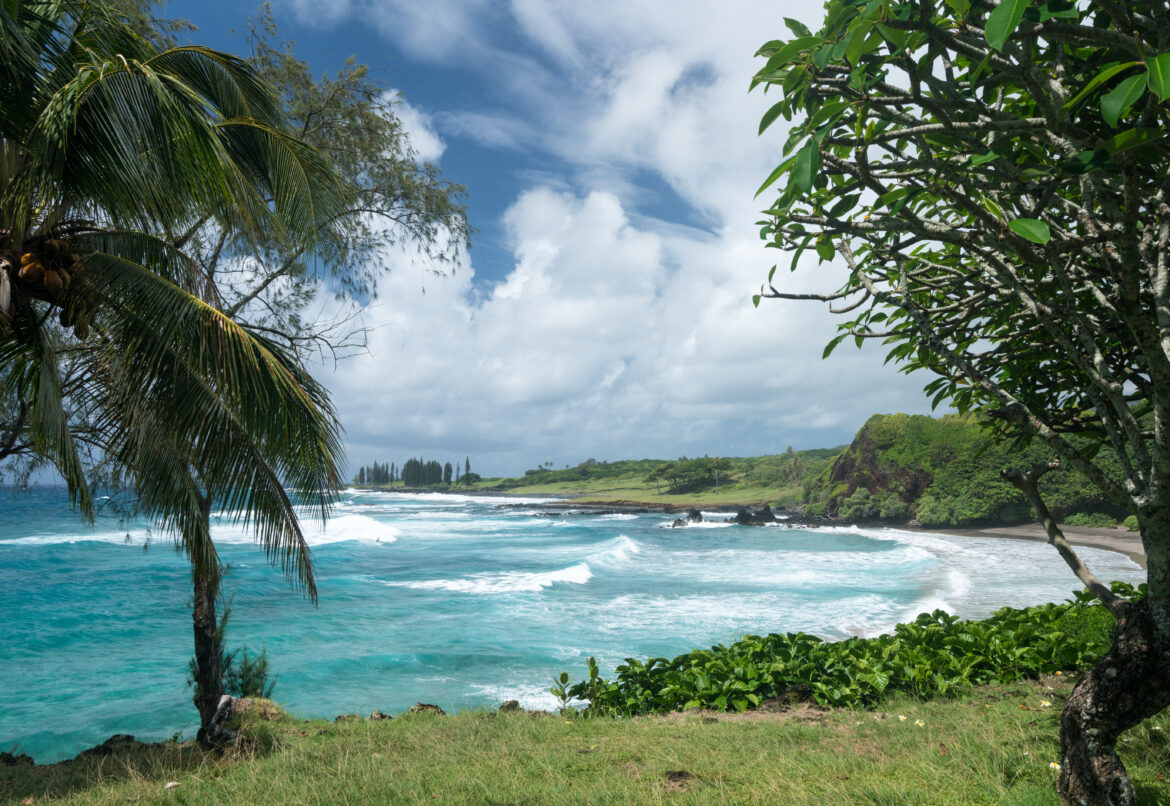
Many travelers and researchers ask what to do on Maui island when planning their Pacific journey. This incredible destination offers diverse ecosystems and rich cultural history for every type of visitor. You will find endless opportunities to study nature and enjoy tropical relaxation here.
Drive The Legendary Road To Hana
The Road to Hana provides an unforgettable journey along the rugged eastern coastline. You navigate hundreds of sharp curves and dozens of narrow one-lane bridges. Dense tropical foliage surrounds your vehicle at almost every single turn.
You need to start your drive before dawn to beat the heavy tourist traffic. Frequent rain showers feed spectacular waterfalls right beside the main highway. You must pull over safely at designated spots to observe these natural wonders.
Students of botany will appreciate the incredible variety of plant life along this route. You can spot massive bamboo forests and colorful eucalyptus trees growing wild. Bring a physical map because you will lose cellular service early in the trip.
Stop At Ho’okipa Beach Park
Ho’okipa Beach Park marks the unofficial start of your Hana adventure. You can watch world-class windsurfers ride massive ocean swells from the safety of the overlook. Dozens of green sea turtles often rest on the sand at the far end of the beach.
Explore Waianapanapa State Park
Waianapanapa State Park features a stunning black sand beach created by ancient lava flows. You need to make a reservation online before you arrive at the entrance. Hikers enjoy exploring the fresh water caves and dramatic coastal trails found here.
Discover Haleakala National Park
Haleakala National Park dominates the entire southern half of the island. The massive shield volcano rises over ten thousand feet above the surrounding ocean. You experience drastic temperature drops as you drive up the winding summit road.
Many visitors wake up at three in the morning to watch the sunrise from the peak. You must book a permit months in advance to access the summit during these early hours. The morning light hits the volcanic crater and creates a spectacular display of colors.
Study The Unique Volcanic Ecosystem
The extreme elevation creates a harsh environment that supports rare life forms. You can find the Haleakala silversword plant growing directly out of the volcanic ash. This endangered plant lives for decades before blooming once and then dying.
Hike The Sliding Sands Trail
Adventurous hikers tackle the Sliding Sands Trail to explore the actual crater floor. You descend thousands of feet into a dry, alien environment filled with red cinder cones. You must carry plenty of water because the high altitude accelerates dehydration.
Relax On World Class Beaches
Maui boasts some of the most beautiful and accessible beaches in the entire Pacific. You can find white sand, black sand, and even red sand beaches scattered across the coast. Each location offers different water conditions for swimming, surfing, or relaxing.
Enjoy The Waters Of Kaanapali
Kaanapali Beach features three miles of pristine white sand and clear ocean water. You can walk along the paved coastal path to find excellent snorkeling spots. Local cliff divers perform a traditional sunset ceremony at the famous Black Rock every evening.
Visit Makena Beach State Park
Makena Beach, often called Big Beach, provides a wide stretch of undeveloped sand. You will not find massive hotels or resorts blocking your view of the ocean here. The shore break gets extremely powerful, so you must always watch the ocean carefully.
Experience Traditional Hawaiian Culture
You cannot fully appreciate the island without learning about native Hawaiian traditions. Local communities work hard to preserve their language, music, and historical practices. You should seek out authentic cultural experiences rather than generic tourist traps.
Attend An Authentic Luau
A traditional luau combines a massive feast with incredible storytelling through dance. You eat slow-roasted pork cooked underground in an imu earth oven. Skilled performers share the history of Polynesian migration across the Pacific Ocean.
Visit Historic Landmarks
You can find ancient stone temples, called heiaus, scattered throughout the island valleys. Native Hawaiians still use these sacred sites for traditional ceremonies today. You must show extreme respect and never move rocks or leave trash at these locations.
Spot Incredible Marine Life
The warm waters surrounding the island support a massive variety of sea creatures. You can grab a snorkel mask and step right off the beach to study complex coral reef ecosystems. Environmental students often spend entire days documenting the different species of tropical fish.
Go Whale Watching In Winter
Thousands of humpback whales migrate to these specific waters every single winter. They travel from Alaska to mate and give birth in the shallow, protected channels. You can take a boat tour to watch these massive animals breach and play near your vessel.
Swim With Sea Turtles
Hawaiian green sea turtles swim freely along the western and southern coastlines. You often see them eating algae off the rocks in shallow water. Federal law protects these animals, so you must keep a distance of at least ten feet at all times.
Taste The Local Island Cuisine
The local food scene reflects the diverse immigrant history of the plantation era. You will find Japanese, Filipino, Portuguese, and Hawaiian flavors mixed together in unique ways. You should skip the expensive resort restaurants and visit local food trucks instead.
Try Fresh Poke Bowls
Poke consists of raw, marinated fish served over warm rice. Local fishermen catch fresh ahi tuna daily and deliver it straight to the markets. You can customize your bowl with seaweed, sweet onions, and spicy mayonnaise.
Enjoy Traditional Shave Ice
Shave ice provides the perfect cool treat after a long day of hiking in the sun. Vendors shave massive blocks of ice into a soft, snow-like texture. You can order yours with local fruit syrups and a scoop of macadamia nut ice cream on the bottom.
Navigate The Upcountry Region
The Upcountry region sits on the cool, fertile slopes of the Haleakala volcano. You will find massive cattle ranches, rolling green hills, and small agricultural towns here. The climate feels completely different from the hot and sunny beach resort areas.
Tour Local Farms
Farmers grow incredible produce in the rich volcanic soil of this region. You can visit working coffee plantations to learn how workers harvest and roast the beans. Sweet Maui onions and juicy pineapples also grow abundantly in these specific conditions.
Explore The Lavender Fields
The Ali’i Kula Lavender Farm offers beautiful walking paths high up on the mountain. You can study dozens of different lavender varieties growing in the cool mountain air. The farm provides spectacular panoramic views of the central valley below.
Plan Your Educational Journey
Students find endless material for research and study across the entire island. You can focus on marine biology, vulcanology, or indigenous cultural studies. Local conservation groups always welcome volunteers who want to help pull invasive weeds or clean beaches.
You should always travel with a mindset of learning and respect. The local concept of malama translates to caring for and protecting the land. You leave a positive impact when you support local businesses and respect environmental rules.